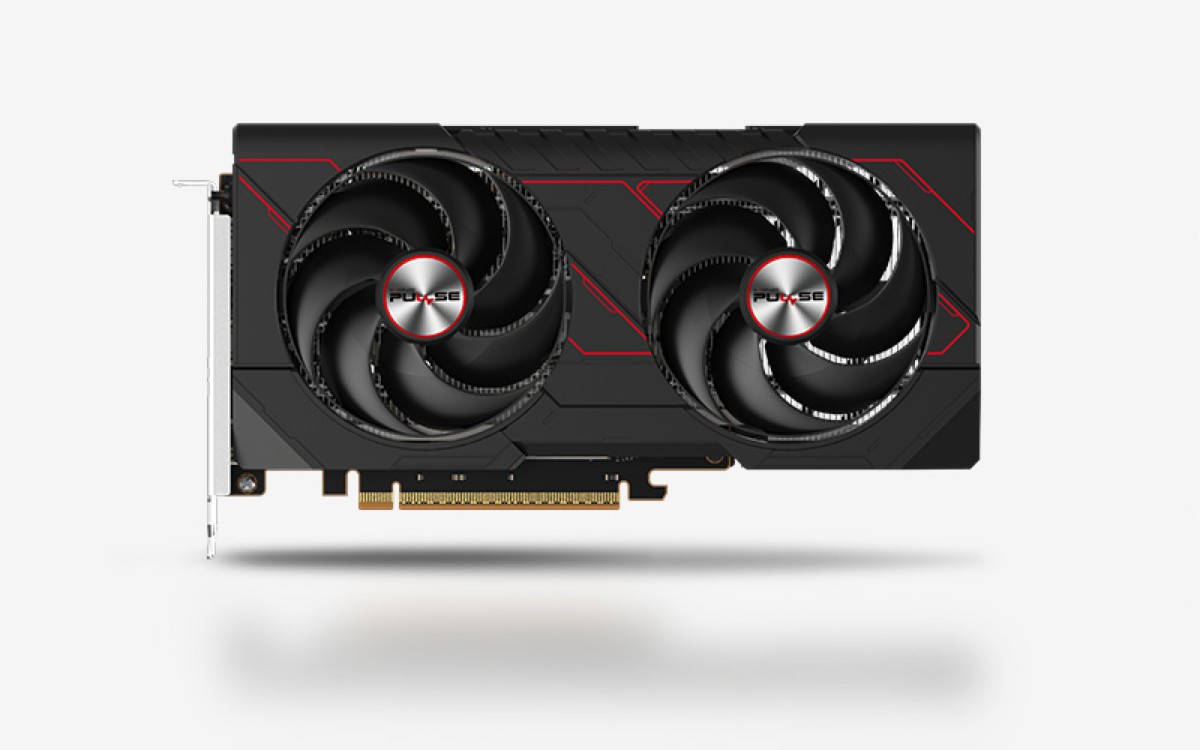
Sapphire Pulse RX 9060 XT 8GB
8GB 1080p-grade graphics card, 150W draw, 244mm long, FSR 4.
Ash on the Sapphire Pulse AMD Radeon RX 9060 XT 8GB for Indian builds - 244mm compact sizing, why its price moves more than its siblings, cooler details, and India warranty reality.
Official India stock. Full warranty through the brand's India service network, standard RMA if anything goes wrong.
Full specs
PSUs rated 500W+
Cases that fit 244mm
Where to buy Sapphire Pulse RX 9060 XT 8GB in India
Expect to pay roughly ₹33,100-36,600 for the Sapphire Pulse RX 9060 XT 8GB in India right now, depending on offers and seller. I always recommend buying from retailers that give a proper GST invoice - it's what makes your India warranty claim smooth later.
Affiliate links on linked vendors - your price stays the same. PrimeABGB shown for comparison only.
In my years running a PC store, PrimeABGB (Mumbai) and Vedant Computers (Kolkata) have also been consistently reliable for verified stock - compare before buying.
Sapphire Pulse RX 9060 XT 8GB India - Price, Stock Swings, and Whether It's Worth the Wait
Ash on the Sapphire Pulse AMD Radeon RX 9060 XT 8GB for Indian builds - 244mm compact sizing, why its price moves more than its siblings, cooler details, and India warranty reality.
Check the Sapphire Pulse RX 9060 XT 8GB on three different retailer sites on the same day and you'll likely see three different numbers. That's not a data error on my end, it's genuinely how this SKU has been trading in India, stock keeps going in and out at Vedant Computers, Computech Store, PrimeABGB, and PC Studio, and the price shifts with it. That volatility is worth knowing going in, because it changes how you should shop for this card compared to the steadier-priced siblings of the same chip.
Setting the price swings aside, the card itself is a solid, compact option: 244mm, single 8-pin, factory-OC, official India warranty. If you're not going to obsess over checking four sites before buying, this section will help you know what a fair number looks like when you do see it. For the chip's actual gaming performance, that's covered on the RX 9060 XT 8GB chip page, this page sticks to what's specific to the Pulse SKU.
India Availability and Warranty
This is official India warranty stock, not import, sold through Sapphire's regular distribution at the retailers listed above. Sapphire's India service network is smaller than ASUS's or Gigabyte's footprint, so factor in slightly longer RMA turnaround expectations if you ever need to use the warranty, though the coverage itself is standard. The bigger practical issue day to day is availability: this card is flagged as common overall, but individual retailers run out and restock more frequently than with the Gigabyte or ASRock cards in this lineup. If you find it in stock at a good price, that's usually the moment to buy rather than wait for a better one, given how the listings have been moving.
Cooler and Build Quality
Sapphire's Pulse line is the brand's mainstream cooler tier, sitting below their premium Nitro+ series, and has typically used a dual-fan design across recent Radeon generations. On a 244mm card, that's a reasonably sized heatsink for a chip in this power class, and dual fan coolers of this size generally handle Indian ambient conditions (30-35C rooms) without needing to work hard, though I don't have a verified temperature or noise number for this exact SKU to put a figure on it. No RGB detail is confirmed in my data for this model, Pulse cards have historically kept lighting minimal or absent, but check the current retailer listing photos if that's a factor for you.
Dimensions and Case Fit
244mm length, 2.3 slots wide. This puts it in the middle of the pack for this chip, longer than the ASUS Dual's 202mm but noticeably shorter than the 298-304mm triple-fan cards from Gigabyte, ASUS Prime, and ASRock Steel Legend. It's a comfortable fit for most mid-tower cabinets, and the note on this card specifically calls it a popular pick for mid-tower builds. Whether it clears a tighter mATX case depends on your specific model, at 244mm it's not as safe a bet as the Dual, so check your clearance spec if you're on the smaller side.
Power Delivery
Single 8-pin connector, standard across every 8GB card of this chip. No adapter typically ships in box with an 8-pin connector, it connects straight to a standard PSU cable. A good quality 550-650W PSU is a sensible range to plan for with this chip and a typical mid-range CPU, nothing unusual for the Pulse specifically.
Factory Clocks
Factory-OC, factory_oc: true. Same caveat as every OC card of this chip: the real-world difference over a reference-clocked sibling is typically 1-3% in games, a small bonus rather than a headline reason to buy this over the ASUS Dual.
Price Positioning
Listed range is ₹29,950-38,900, and this is the widest-tracked spread of any card in this lineup relative to how often it's been observed, which lines up with the stock volatility mentioned above. Against the ASRock Challenger OC at ₹28,457-39,084, another compact, factory-OC card, the two trade blows depending on the day, with the Challenger usually edging slightly cheaper at the floor. Against the Gigabyte GAMING OC at ₹35,900-47,040, a longer triple-fan card, the Pulse is meaningfully cheaper across most of its range. If you see the Pulse above ₹36,000, it's worth checking the Challenger or waiting a few days for a restock, given how much this specific SKU's pricing has moved historically.
Software and Monitoring
Sapphire bundles TRIXX with this card for fan curves, basic clock adjustment, and monitoring overlays. It's optional, plenty of builders skip the bundled app entirely and run MSI Afterburner instead since it works across every brand and most people are already used to its overlay. If you're the type who likes to tune fan curves or just keep an eye on temperatures while gaming, either option gets the job done, the bundled app just saves you an extra download.
Who Should Buy This
The budget-conscious mid-tower builder: compact enough for most standard cases, factory-OC, and often the cheapest route into this chip when stock is favourable.
The patient shopper: if you're willing to check a couple of retailers over a few days rather than buy the first listing you see, you can generally land this card at the better end of its range.
Not the buyer who needs it today at a fixed price: if certainty matters more than saving a few thousand rupees, the Gigabyte's steadier stock situation is the safer pick.
Price we have actually seen
Down 40.4% since we started tracking. Every point is a price our crawler recorded at an Indian retailer - no estimates, no MSRP. Tracking began recently, so the window grows week by week.